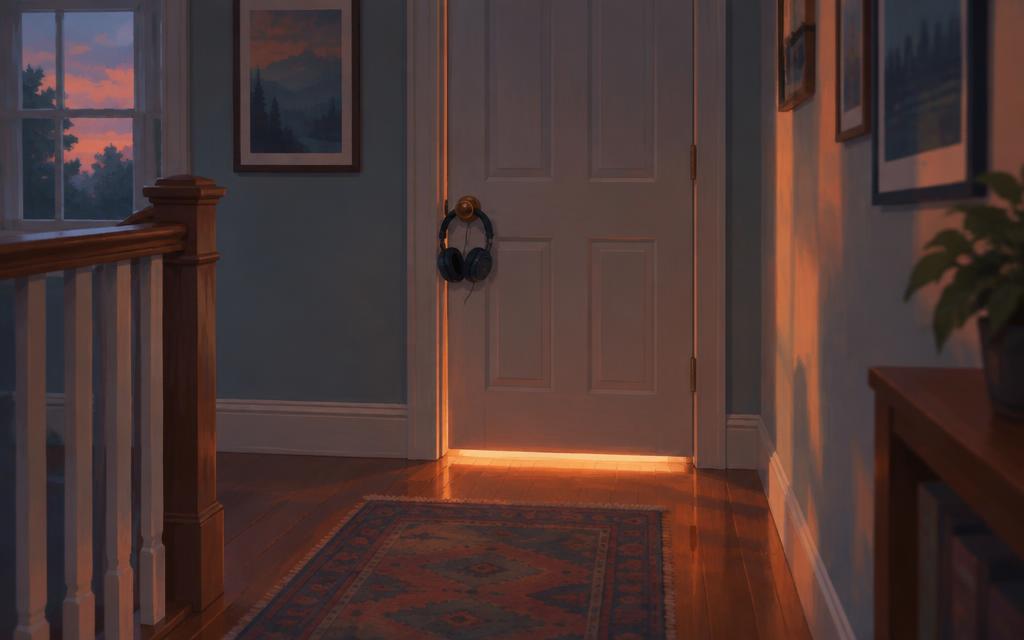
Talking to a 15-Year-Old Without a Fight
Dr. Nina Hale
7 min read · May 28
Why the door stays closed, and the simple phrases that actually open it back up.
A closed bedroom door is rarely a message about you. At fifteen, privacy is how a person practises having a self. The door is scaffolding, not a wall.
The mistake most of us make is treating conversation as an event: sitting down, facing each other, asking a big question. Teenagers experience that as an interview, and interviews get short answers.
Try side-by-side instead. Driving, cooking, walking the dog, stacking the dishwasher. No eye contact lowers the stakes enormously.
Swap 'How was your day?' for something concrete and low-risk: 'What was the dumbest thing that happened today?' It's easier to answer and it invites a story rather than a status report.
When something hard does come out, resist the urge to solve it in the first ninety seconds. Say 'that sounds rough' and then be quiet. The silence feels unbearable to you and comfortable to them, and it's usually where the real sentence arrives.
And keep showing up after the bad conversations. Consistency, not eloquence, is what makes a teenager come back.
The $17 billion settlement went to states. Your family's claim is separate.
Parents whose teenagers were hurt by Instagram, TikTok, Snapchat, Facebook or YouTube are bringing cases of their own. A short, confidential check tells you whether yours is one of them.
Free · Confidential · About 2 minutes · Opens sociallawsuit.com in a new tab