Social Media Was Designed This Way. A Jury Just Said So.
Dr. Nina Hale
7 min read · Today
After the $17 billion Meta settlement, I stopped blaming myself for my daughter's phone — and started asking better questions.
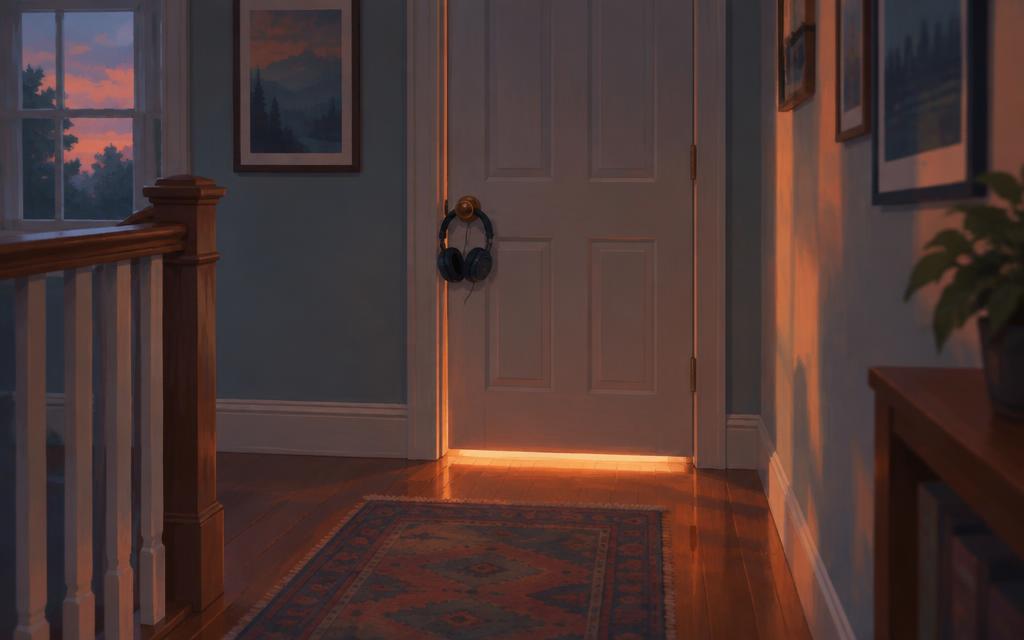
For two years I thought my daughter's relationship with her phone was a failure of my parenting. I set limits, she found ways around them, and I concluded — quietly, at 1 AM, standing in her doorway watching her scroll — that I had simply not been strict enough.
Then, on August 26, a federal trial ended with Meta agreeing to pay states up to $17 billion and to change how Instagram and Facebook work for teenagers. Eight days of testimony. Internal documents. And a conclusion that reframed those 1 AM doorway moments entirely: the apps were built to be hard to put down. That was not an accident. It was the product.
A jury had already found Meta and YouTube liable for $6 million in a separate case brought by a family, and a judge upheld it. A federal appeals court refused to throw the family cases out. The states' settlement money goes to governments — but the claims from families like ours are separate, and still moving forward.
Here's what matters for those of us standing in doorways: the features that hook teenagers are design choices, not character flaws — yours or theirs. Infinite scroll removes every natural stopping point. Autoplay removes the decision to continue. Streaks and notifications manufacture urgency. A fifteen-year-old's brain, still building its brakes, is up against teams of engineers whose job is to keep it scrolling.
So what do we actually do? First, drop the shame — it was never a fair fight, and treating it as one only drives the behaviour underground. Second, name the mechanism out loud with your teen: 'This app is designed to keep you here.' Teenagers resent being managed, but they hate being manipulated, and that distinction is your best ally.
Third, protect the two things the design attacks hardest: sleep and self-worth. Phones charge outside bedrooms at our house now — all of them, mine included. And we talk about what the feed does to how she sees herself, not as a lecture but as a shared observation.
If your child has been genuinely harmed — anxiety, depression, eating disorders, self-harm linked to heavy use of Instagram, Facebook, TikTok, Snapchat or YouTube — know that you did nothing wrong, and that families are bringing claims of their own. But even if your house is just the ordinary kind of struggling, take the verdict for what it is: permission to stop blaming yourself, and a reason to start asking the platforms better questions.
The $17 billion settlement went to states. Your family's claim is separate.
Parents whose teenagers were hurt by Instagram, TikTok, Snapchat, Facebook or YouTube are bringing cases of their own. A short, confidential check tells you whether yours is one of them.
Free · Confidential · About 2 minutes · Opens sociallawsuit.com in a new tab