“Do You Love Your Phone More Than Me?” What Our Teens Notice
Dr. Nina Hale
6 min read · Today
We worry about our teenagers' screens. A new study of 600 teens suggests they're watching ours, too — and that putting the phone down mid-sentence may matter more than we think.
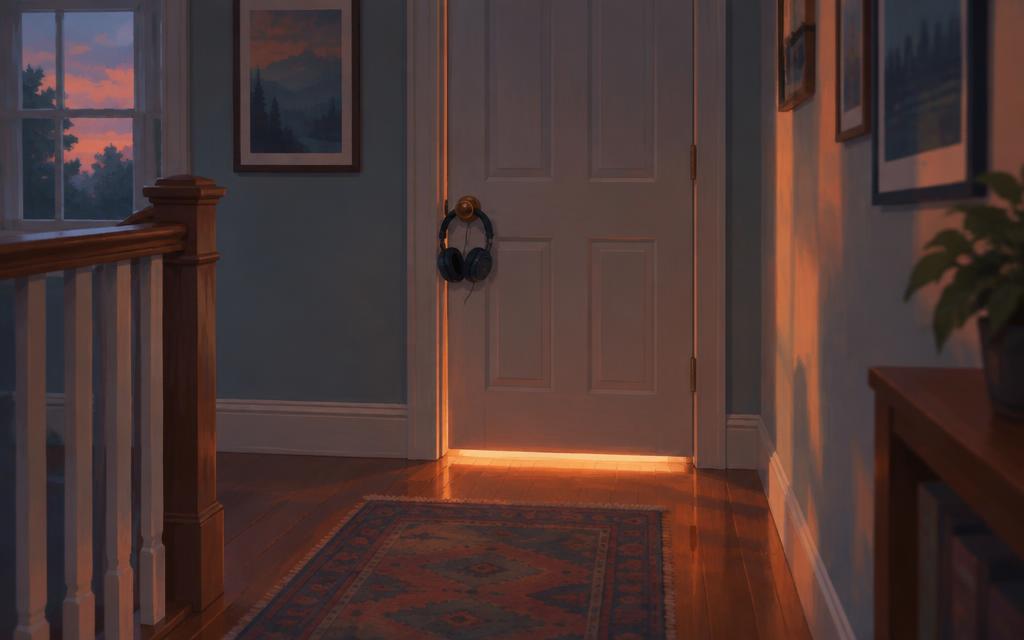
My son was halfway through a story about his chemistry lab — something about a beaker, a substitute teacher and a smell that cleared the room — when he stopped and said, flatly, "You're not listening." I was. Mostly. I was also answering a work message. He went upstairs, and the story went with him.
I thought about that moment a lot this week, because researchers have now put numbers to it. A study published in Frontiers in Psychology, titled “Mommy, do you love your phone more than me?”, surveyed 600 teenagers aged 12 to 17 in the United States about how often their parents' devices interrupt time together.
What they found: teens who felt their caregivers were frequently distracted by phones reported more insecurity in those relationships — both the anxious kind (worrying whether a parent is really there for them) and the avoidant kind (deciding not to bother reaching out at all). That held for mothers and fathers alike.
Researchers have names for this. "Phubbing" is snubbing someone for your phone. "Technoference" is when a device quietly elbows into a face-to-face moment. Neither sounds dramatic, and that's the point. It isn't one big moment; it's hundreds of small ones that add up to a message our kids hear loud and clear.
It lands at a time when the whole world is arguing about teens and screens. Snap settled with two teenagers this week, mid-trial, over claims its app was designed to be addictive. Meta is rolling out new alerts for parents. Countries from Australia to Singapore are rewriting the rules on teen social media. All of that matters. But this study is a reminder of the part only we control: what our kids see when they look across the kitchen table at us.
The good news is that this is one of the most fixable problems in parenting. You don't need an app or a law. A few things that have worked in our house: phones face-down (or in another room) at dinner. When a teen starts talking, physically put the phone away — they notice the gesture. Say out loud when you have to check something: "Give me thirty seconds to answer this, then I'm all yours." And if you get caught, own it: "You're right, I wasn't listening. Tell me again?"
That last one is how I got the chemistry story back. He rolled his eyes, sat down, and told it again — longer this time, with sound effects. It was a very good story. I'm glad I heard it.
Our teens are learning how to treat the people they love by watching how we treat them. Putting the phone down isn't a sacrifice. It's one of the easiest wins we get all day.
The $17 billion settlement went to states. Your family's claim is separate.
Parents whose teenagers were hurt by Instagram, TikTok, Snapchat, Facebook or YouTube are bringing cases of their own. A short, confidential check tells you whether yours is one of them.
Free · Confidential · About 2 minutes · Opens sociallawsuit.com in a new tab